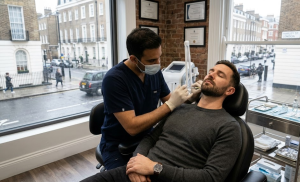
Booking an aesthetic treatment is exciting. Visualising fresher skin, smoother lines, or an unpretentious lift is appealing. However, the consultation room doesn’t always match the polished Instagram reels that drew you in.
These procedures are common, but they are medical treatments that can have real risks. Choosing the wrong practitioner, overlooking a consultation, or underestimating recovery time can turn a decision meant to boost your confidence into a costly mistake. Your safety and results depend on how well you prepare. The stakes are high.
According to PolicyBee, injectables, like Botox and dermal fillers, now make up 65% of the UK’s aesthetics market revenue. This rise in popularity underscores the importance of considering what to look for before booking a session.
If you’re considering dermal fillers, skin boosters, or chemical peels, these five essential points will help you make a safer, more informed choice.
At Dr. Support, we specialise in personalised health treatments and wellness solutions, blending advanced therapies with holistic care to support your well-being and help you achieve a healthier, balanced lifestyle.
Pre-Treatment Checks for Aesthetic Procedures
Here are the five pre-treatment checklists for aesthetic procedures:
1. Check Credentials Before Anything Else
The UK aesthetic industry is not as well-regulated as many people think. Anyone can legally perform certain treatments without medical training, and that could be a serious problem.
Always verify that your practitioner is registered with a recognised UK regulatory body. Look for registration with the following:
- General Medical Council (GMC)
- BABTAC
- Joint Council for Cosmetic Practitioners (JCCP)
- Nursing and Midwifery Council (NMC)
- General Dental Council (GDC)
These registrations ensure that the person treating you follows professional standards and has a formal medical qualification.
Also, check that they have the right medical indemnity insurance. A qualified practitioner will be willing to share this detail. If they hesitate or seem unclear, it could be a warning sign.
2. A Consultation Is Not Optional
A good clinic will always offer a separate consultation before any procedure. This is not a sales meeting; it’s a medical assessment.
During the consultation, a qualified practitioner will:
- Review your medical history
- Ask about your medications and allergies
- Talk about your expectations
- Explain the treatment
This conversation is crucial for your safety and gives you time to ask questions before anyone uses a syringe.
Avoid clinics that are willing to treat you on the same day as your first appointment without a proper assessment. This approach puts speed before safety.
3. Side Effects and Downtime Are Real
Every aesthetic treatment comes with risks. Common side effects include the following:
- Swelling
- Bruising
- Redness
- Tenderness
While serious complications are rare, they are more likely when treatment is performed by someone without proper training.
Before booking, confirm your schedule and ensure it has necessary downtime. Some treatments require a few days to heal. You don’t want to attend an important event with noticeable swelling.
Ask your practitioner what to expect in the first 24 to 72 hours after the procedure. A good clinician will provide clear aftercare instructions and let you know when to seek help if something seems wrong.
4. The Setting Matters as Much as the Treatment
A clean, clinical environment is vital for safety, not just for looks. Treatments performed at home, in hair salons, or even in informal settings carry a higher risk of infection and contamination.
Make sure the clinic uses sterile, single-use equipment and sealed, traceable products. The space should look and smell clinical, and product packaging should be sealed and traceable. If anything feels off when you enter, trust your instincts.
A Browne Jacobson’s report found that there were 38 botulism cases of poisoning in England. These cases were linked to unlicensed products used in cosmetic therapies. This highlights the importance of product quality, environmental factors, and practitioner skills.
Ask to see before-and-after photos of the practitioner’s real patients, not stock images. Actual results from genuine patients give you a clearer idea of what to expect.
5. Manage Expectations With Care
This point is often ignored, but it is very important. Aesthetic treatments work best when they enhance what you already have, not when they try to change everything.
Prioritise reflecting on your motivations before you book an appointment. Are you looking for a small improvement that matches how you feel about yourself? Or are you trying to achieve something because of comparison, pressure, or a tough emotional time?
A responsible practitioner will ask these questions as well. They should be ready to turn away a patient if they think the timing or expectations are not right. This honesty shows clinical integrity, not lack of interest in making money.
For clearer guidance on body image and making well-informed choices about cosmetic treatments, take a look at this practical guide to maintaining a healthy body image.
Conclusion
Aesthetic treatments can yield great results when you prioritise safety and expertise. First, verify your provider’s credentials and request a detailed consultation. Ensure the treatment takes place in a clinical setting to reduce your risk.
It’s also important to manage your expectations and understand the recovery process. This way, you can ensure the final results meet your goals. By taking these steps, you can make a medical procedure a safe and empowering experience.
If you are ready to take the next step, talk to our team at Dr. Support to discuss your treatment options with qualified professionals.