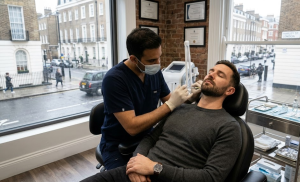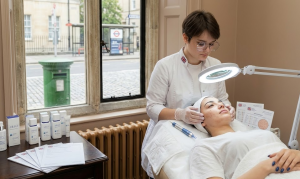
Your face changes as time passes. Collagen thins, fat pads shift, and expression lines become deeper. Eventually, one injectable appointment may not be enough.
If you are over 40 and find that your results don’t last, it’s often not about the treatment itself. A clear and detailed plan is often what is missing.
A clinical strategy helps achieve better results by focusing on the skin as a living, ageing system. Instead of treating the skin as a set of separate problems to solve each day, it provides a continuous approach to care. This change in viewpoint makes sure that each procedure builds on the previous one.
According to Bolton Beauty Clinic, the number of UK cosmetic procedures is expanding the most among people aged 45-64. This shift shows that more people in this age group want professional aesthetic care and are seeking treatments that deliver lasting, natural results.
At Dr. Support, we specialise in personalised health treatments and wellness solutions, blending advanced therapies with holistic care to support your well-being and help you achieve a healthier, balanced lifestyle.
What Actually Happens to Skin After 40
After age 40, your skin undergoes noticeable changes. Collagen production decreases by about 1% each year starting in your mid-twenties. Yet, the effects become clearer in your forties. Your skin loses density and elasticity. Fat pads in your face start to thin and sag. The bone structure of your face also changes over time.
This leads to more than wrinkles. There are structural changes as well. Your cheeks may appear flatter, and your jawline may lose definition. The lines around your nose, known as nasolabial folds, deepen not only due to age lines but also because of shifts in volume above them.
To achieve great results, understanding is key. A practitioner who knows facial anatomy and how different injectables behave over time will create more natural and long-lasting results. This expertise is more effective than treating each appointment as a separate event.
Why One-off Treatments Often Fall Short
A single filler or wrinkle-relaxing treatment is not a bad choice on its own. The problem arises when it becomes the only solution without a broader context.
One-time appointments often address visible problems, such as a wrinkle, rather than the underlying causes. This approach can cause uneven results over time. Some areas may improve, while others may continue to age at a different pace.
One concern is the buildup of treatments. Getting too many quick filler touch-ups in the same area without looking at the whole face can lead to an overfilled or unnatural appearance. This is known as “tweakment fatigue,” which affects people who have had treatments for years without a clear plan for their changes.
This shift in patient awareness is reflected in recent data. A recent Hamilton Fraser report found that the number of dermal filler treatments in the UK dropped by 31% in 2024. This change shows that more people are realising that chasing results from repeated treatments isn’t a sustainable approach. Patients are now looking for methods that appear more natural, balanced, and thoughtful.
Transforming to a strong treatment plan avoids these pitfalls by thoughtfully organising and scheduling treatments that complement one another.
What a Long-term Aesthetic Plan Looks Like
A good clinical plan looks at your skin over several years. It starts by honestly assessing your face, including skin quality, volume, structure, and how these change over time.
- Biostimulators: Biosimulators like Sculptra and Radiesse help your body slowly produce its own collagen. These treatments take months and boost skin quality from within, rather than just adding volume.
- Structural Fillers: These fillers target specific areas with volume loss, such as the cheeks or temples, restoring balance and supporting the skin above.
- Wrinkle-Relaxing Injections: These injections can help with expression lines, but they should preserve natural movement rather than completely erase it.
Combining these treatments and adjusting them during each review leads to a gradual, natural improvement. The result looks refreshed rather than artificial.
| Approach | Goal | Typical Timeline |
| Biostimulators | Rebuild collagen and skin quality | 3 to 6 months per course |
| Structural fillers | Restore volume and facial proportion | Reviewed every 12 to 18 months |
| Wrinkle relaxing injections | Soften expression lines | Every 3 to 4 months |
| Skin health check-up | Monitor changes and adjust the plan | Every 6 months |
The Role of Hormones and Skincare
After age 40, hormonal changes, especially the drop of oestrogen during perimenopause, impact how the skin produces collagen, its thickness, and its moisture levels. These changes are not just cosmetic; they are a normal part of the body’s processes and need attention.
Improving hormonal health, whether through a general practitioner or a specialist, lays a strong foundation for better aesthetic outcomes. Skin that is healthier and supported by hormones responds better to clinical treatments.
Medical-grade skincare is also important. Regular use of retinoids, growth factors, and antioxidants can slow changes in skin structure and help maintain the benefits of clinical treatments. A practitioner who includes skincare advice in the treatment plan provides patients a much better return on their investment.
For clearer insight into how oestrogen decline affects collagen and what that means for your skin, explore this clinician-led guide to collagen loss and menopausal skin health that breaks down the science in plain, accessible terms.
Why the Clinician Relationship Matters
The best results come from familiarity. A clinician who has seen your face over the years knows your baseline, tracks how you age, and adjusts their approach as needed. This kind of knowledge is hard to get in a one-time visit.
Choose a practitioner who understands facial anatomy well, knows how different filler products behave over time, and believes in a careful approach that values balance over excessive correction. Credentials are key, as is the ability to say no when a treatment is not right for you.
Scheduling a skin health check-up every six months helps maintain this relationship. It allows you to stay proactive about changes rather than react to them.
Conclusion
Ageing well involves collaborating with your body rather than attempting to reverse the effects of time. A long-term plan gives steady, natural results and ensures your efforts have lasting value.
Instead of just treating specific issues, build a relationship with a healthcare professional who understands long-term skin health. This expert can guide you through each step of the process. Moving from reactive treatments to a proactive approach leads to better, more lasting outcomes.
Ready to take the first step? Contact us at Dr. Support to begin building a personalised plan that works for you.